

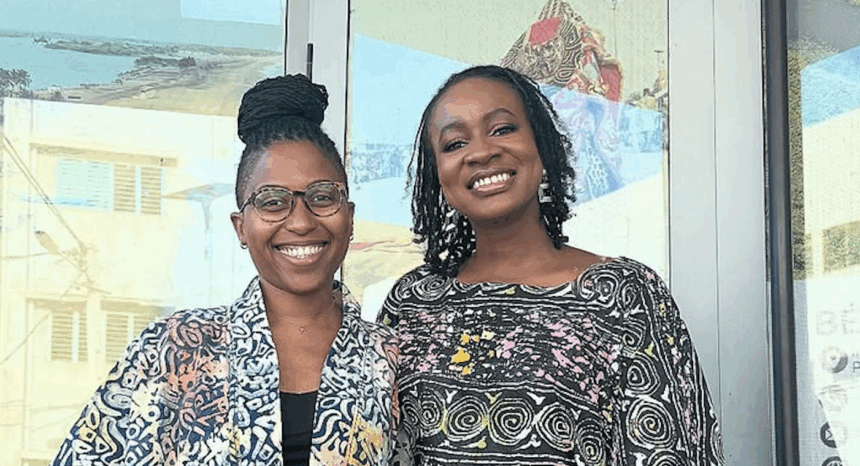
In a profound move to reconnect ancestral lines severed by colonial borders, Munirat Antoinette Lecky, the Senior Special Assistant (SSA) to the Edo State Governor on Tourism & Creative Economy, has initiated a high-level cultural dialogue with the Republic of Benin.
Lecky, who recently undertook a strategic visit to the Francophone nation, shared poignant remarks that have reignited the conversation about the deep, historical ties between the ancient Benin Kingdom in Nigeria and the modern Republic of Benin (formerly Dahomey).
A Meeting of Kin: Reclaiming the Narrative
Addressing the common confusion about the two entities, Lecky was unequivocal: “People always wonder if there is actually a relationship between the Benin Kingdom/City and the Republic of Bénin, of course, there is!”


To operationalize this connection, Lecky met with Cynthia Aïssy, the Director of Art, Culture & Creativity and MICE (Meetings, Incentives, Conferences, and Events) at Bénin Tourism. The meeting centered on a shared vision: fostering connections between the two Benins through cross-cultural exchange and collaborative projects.
This initiative is a powerful attempt to erase the artificial boundaries drawn by European powers and restore the cultural fluidity that once defined the region. It is an emotional reclamation of a shared identity that predates modern nation-states.
Learning from Neighbors: A Model for Edo Tourism
Lecky’s visit also served as a fact-finding mission. She expressed deep admiration for the Republic of Benin’s recent strides in tourism, particularly their focus on diaspora returnees and visa-free travel for Africans.
“Bénin has been doing such a great job rebranding itself as a major tourist destination… so I’m excited to tap into their wealth of knowledge and experience,” she noted.
View this post on Instagram
This partnership signals a new era for Edo State tourism. By learning from their neighbors’ success in eco-tourism and cultural preservation, Lecky aims to position Benin City not as a Nigerian hub, but as a central pillar in a West African cultural corridor.
The collaboration promises to unlock “great initiatives” that will see art, history, and people move freely between these two historic powerhouses, proving that while maps may divide, culture always unites.