






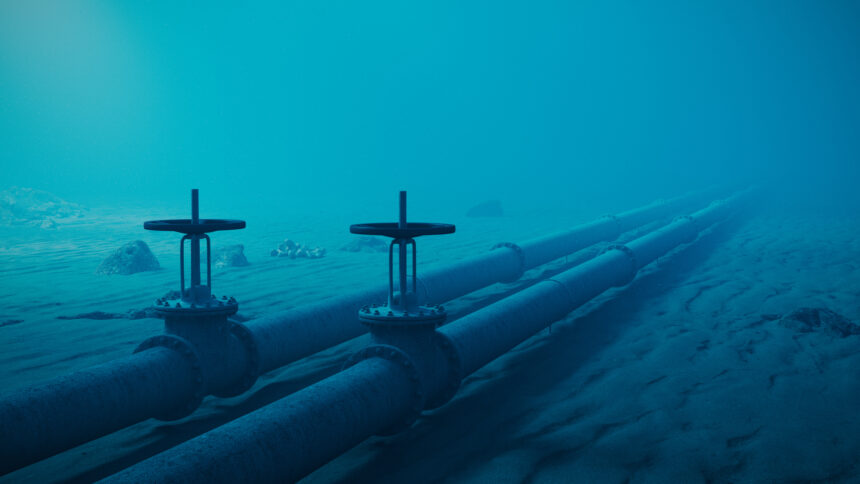
ABUJA, Nigeria — Nigeria has fully activated the OB3 Gas Pipeline, a 130‑kilometre strategic infrastructure now physically connected after the successful River Niger crossing on April 30, 2026.
The pipeline is scaling up to transport 2 billion standard cubic feet of gas per day (scf/d) across the country, providing a critical energy boost to President Bola Tinubu’s goal of a trillion‑dollar economy by 2030.
The OB3 line moves gas from the resource‑rich Eastern Niger Delta (Rivers State) to the Western hub at Oben, Edo State, and then into the Escravos‑Lagos Pipeline System (ELPS) to supply industries and power plants in Lagos and the Southwest.


It also links to the AKK pipeline, extending gas to the North for thermal power and industrial clusters in Kano, Kaduna, and Abuja.
“This is a game‑changer for energy security and industrialisation,” an NNPC official said. Initial flow has reached 500 million scf/d, with engineers working to ramp up to full capacity.
The pipeline also connects to the West African Gas Pipeline for regional exports, boosting Nigeria’s position as Africa’s leading gas hub.