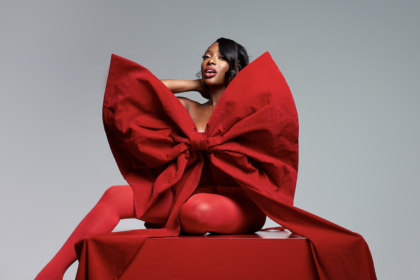







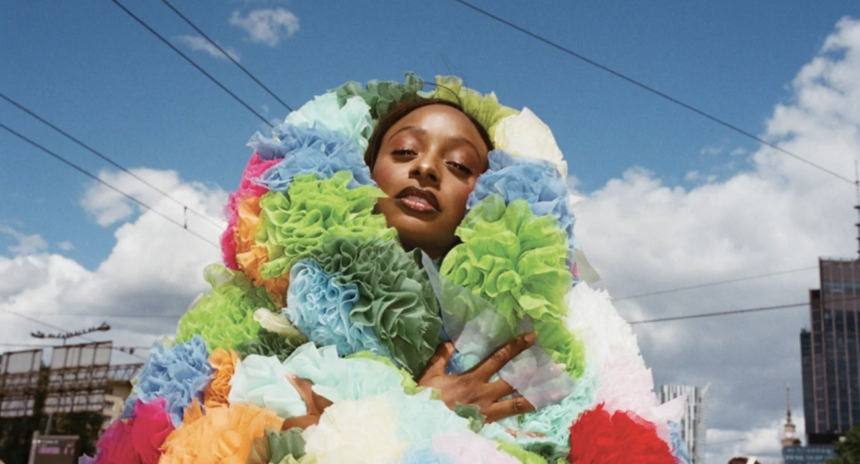
Nigerian DJ and philanthropist Florence Ifeoluwa Otedola, known as DJ Cuppy, has been featured in the November 2026 special edition of GQ Poland: The Business Issue, photographed and filmed on the streets of Warsaw by Zuza Krajewska.
She styled the shoot in pieces by local Polish designers and used the international feature to promote African culture.
In the interview, Cuppy reflected on her multi-hyphenate career across music, education and philanthropy, and on what she wants the world to understand about Africa.


Cuppy, who studied economics at King’s College London and politics at Oxford, said the value of her education was not only in the content.
“I may not directly use the economics I studied at King’s College or the politics I studied at Oxford today, but I use the confidence my education gave me every day,” she said.

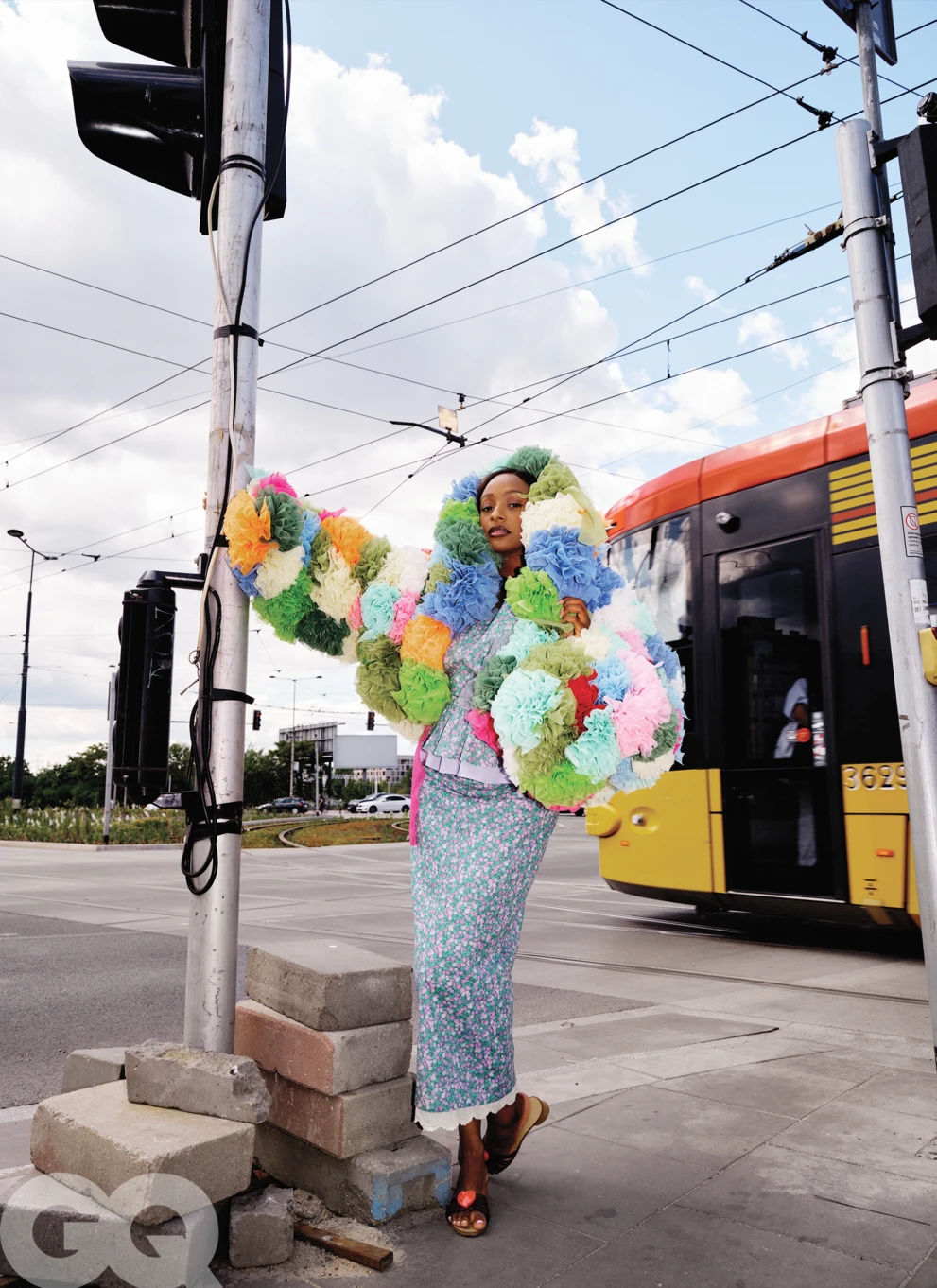
Author of the photo: Zuza Krajewska
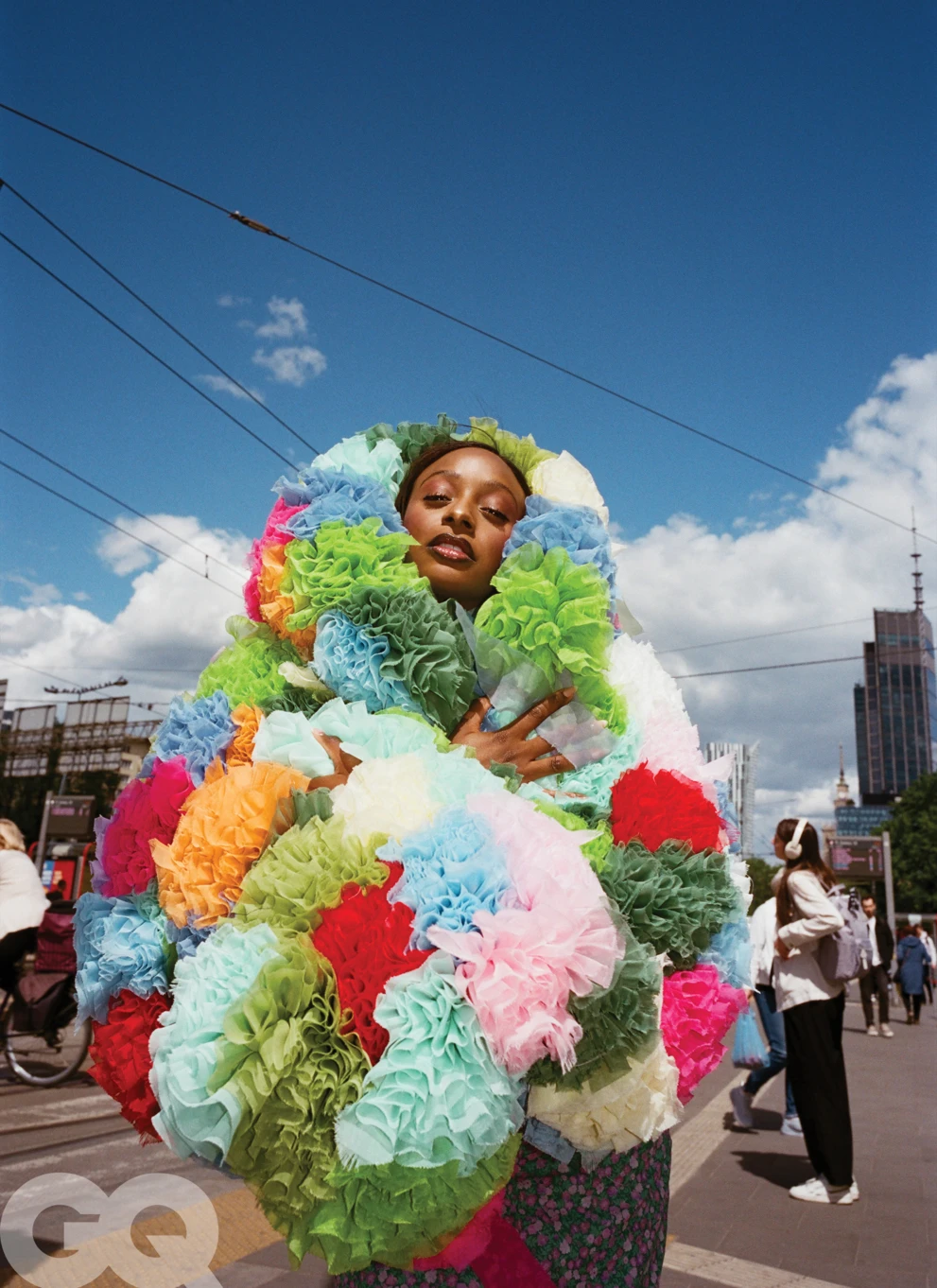
Author of the photo: Zuza Krajewska
She told young girls that what they study matters less than never stopping learning.
“Education shows me how big the world is and how differently people can live in it,” she said.
Cuppy described Africa as the most beautiful part of the world, “not just visually or aesthetically, but also internally.”
“What I love most about Africa is its sense of community. Of course, not everything works perfectly there, but people manage to unite no matter the circumstances,” she said.
“When I say representing Africa, I don’t just mean Nigeria, but all 54 countries on the continent. I believe being African is a superpower, and the world is just beginning to understand that Africa is the future.”
She cited African designers, chefs and musicians as evidence of a generation driving change.
“The most important thing is that we remain ourselves. Africanness cannot be faked, because it is deeply rooted in us.”
Asked which Nigerian designers she admires, Cuppy named Lisa Folawiyo, Hertunba, Banke Kuku, Tsemaye Binitie and Sisi Jola, saying designers are “pushing boundaries and truly transforming the fashion industry.”
She described her own style as “vibrant, rooted, and authentic,” noting that Nigerian fashion draws from the country’s climate.
“Nigeria is close to the equator; the sun is a part of our lives and our energy. That’s why our fashion is colourful, our music is adventurous, and our food is spicy.”
Cuppy rejected the idea that a DJ simply plays music.
“I am not a DJ who simply plays music: I create an experience,” she said.
She recalled the making of her album *Original Copy*, which featured Wyclef Jean and Rema.
“The studio was completely different from the DJ scene: instead of a console, I had a microphone. It was stressful, but I believe you have to grow and push yourself beyond your comfort zone.”
She said more women are now behind the console, but that the job remains demanding.
“Being a DJ means late nights, constant travel, and a life that can be surprisingly lonely. From the outside, it looks sociable, but sometimes it’s just you.”
She pointed to the emotional payoff. “On the dance floor, you see their problems disappear for a moment. That’s the addictive power of music.”
Cuppy said she has performed for King Charles III at The King’s Trust, and that music sets the tone for an event before anyone realises it.
On philanthropy, Cuppy said the goal is structural, not charitable.
“It’s more than just giving. It’s about breaking cycles. You can help one girl go to school, but the real question is: how do we ensure that future generations have the same opportunity?” she said.
“The difference between me and the young woman growing up in this metropolis today often boils down to one word: opportunity. I was given the chance to pursue my dreams, so it’s my duty to leave the door open for others.”
She said she is likely the only female DJ in the world with four university degrees.
“I wish there were more girls like me in the world—girls who get the chance to study, develop, and if they dream of becoming a global DJ, to pursue that path as well.”
Cuppy, daughter of billionaire Femi Otedola, said her father supported her DJ ambitions on the condition that she finished her studies.
“He taught me hard work, continuous improvement, and belief in my own ideas,” she said.
She noted how their public dynamic has changed. “I used to be Femi Otedola’s daughter, but today he is Cuppy’s dad.”
Cuppy said Pink helped her hold her ground in a male-dominated industry.
“When I started my career 17 years ago, I was a young woman in a male-dominated industry. Pink helped me make my presence felt and represent femininity,” she said.
“Today, I’ve walked through many doors, some of which I’ve broken down myself, so I know I can express it in many ways.”
She described pink as having meant “strength, energy, courage, uncompromisingness, and femininity” — qualities she said remain with her.
Cuppy said she is proudest of living her faith.
“People know me as Cuppy and see all the things I’ve accomplished, but I think the greatest gift I can give to the world is my inner energy,” she said.
“I don’t believe things happen by chance. Even my platform is part of my God-given purpose.”
The feature was styled by Andrzej Sobolewski, with makeup by Cuppy, hair by Nephrah Downer-Miller and production by Mila Zbińkowska.