


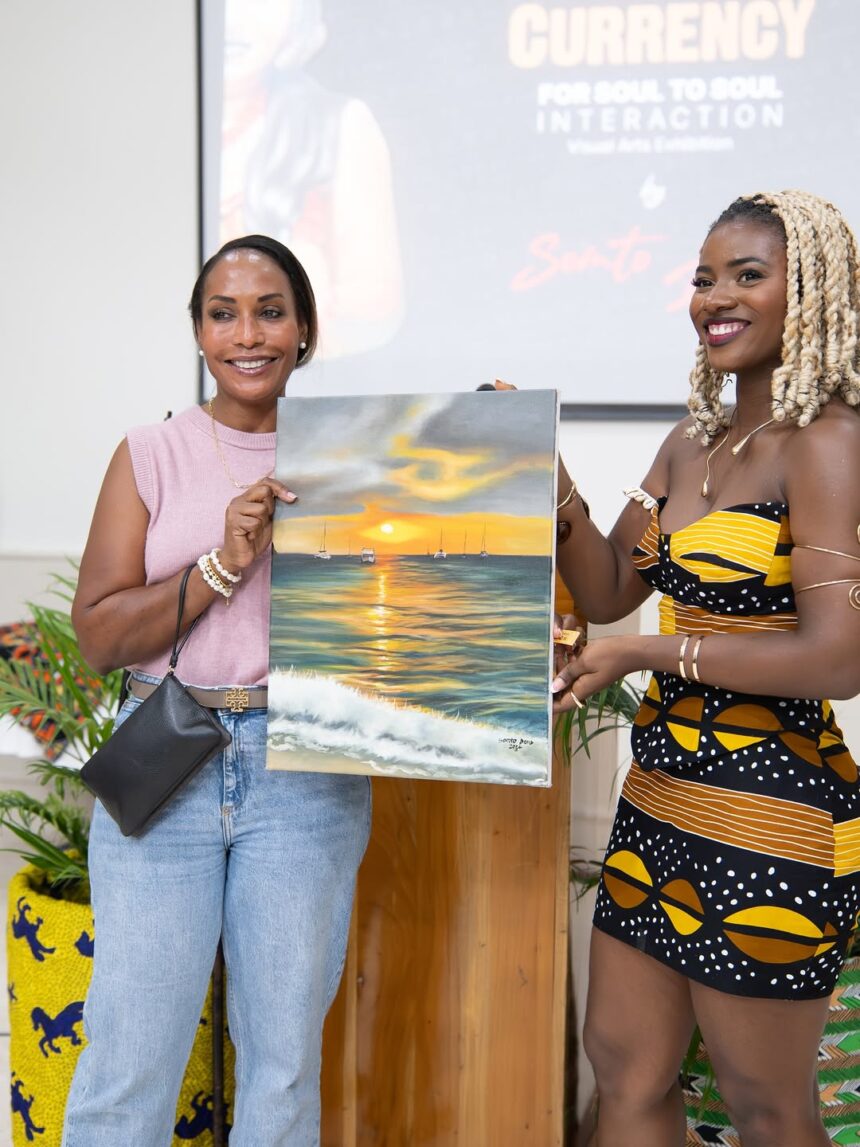

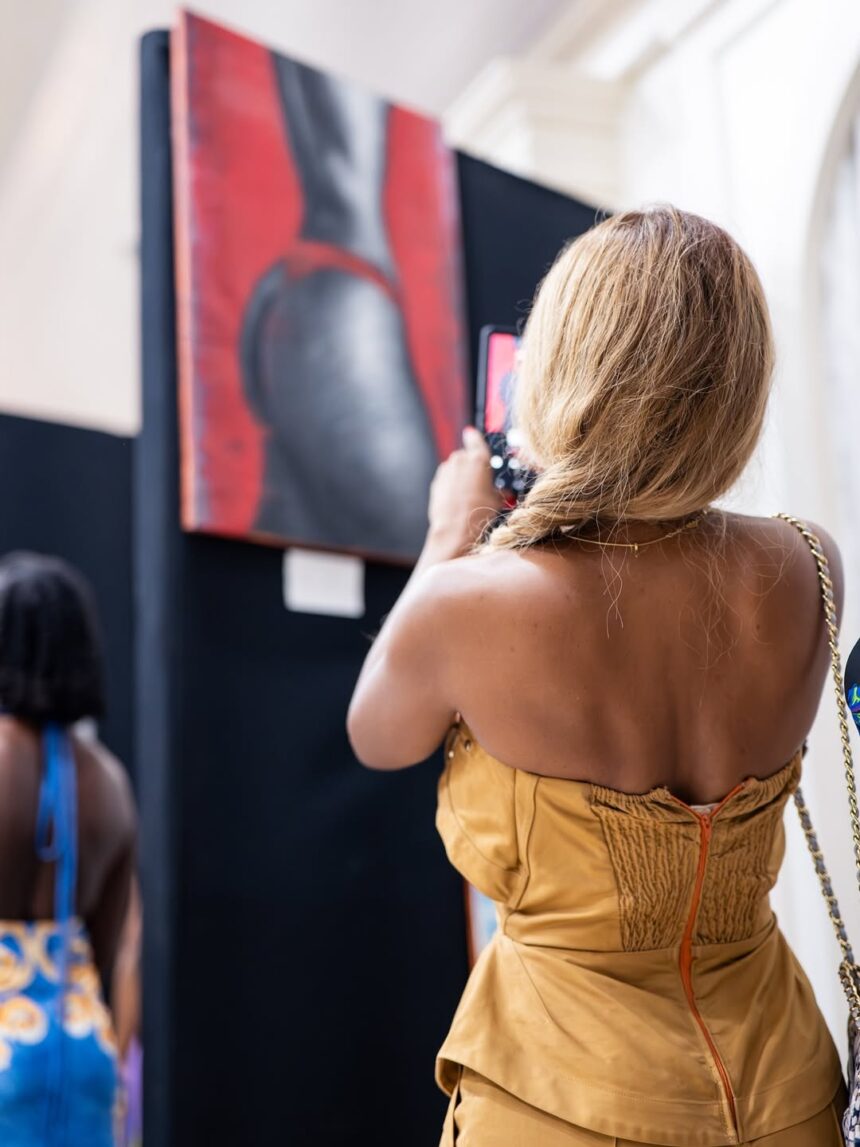
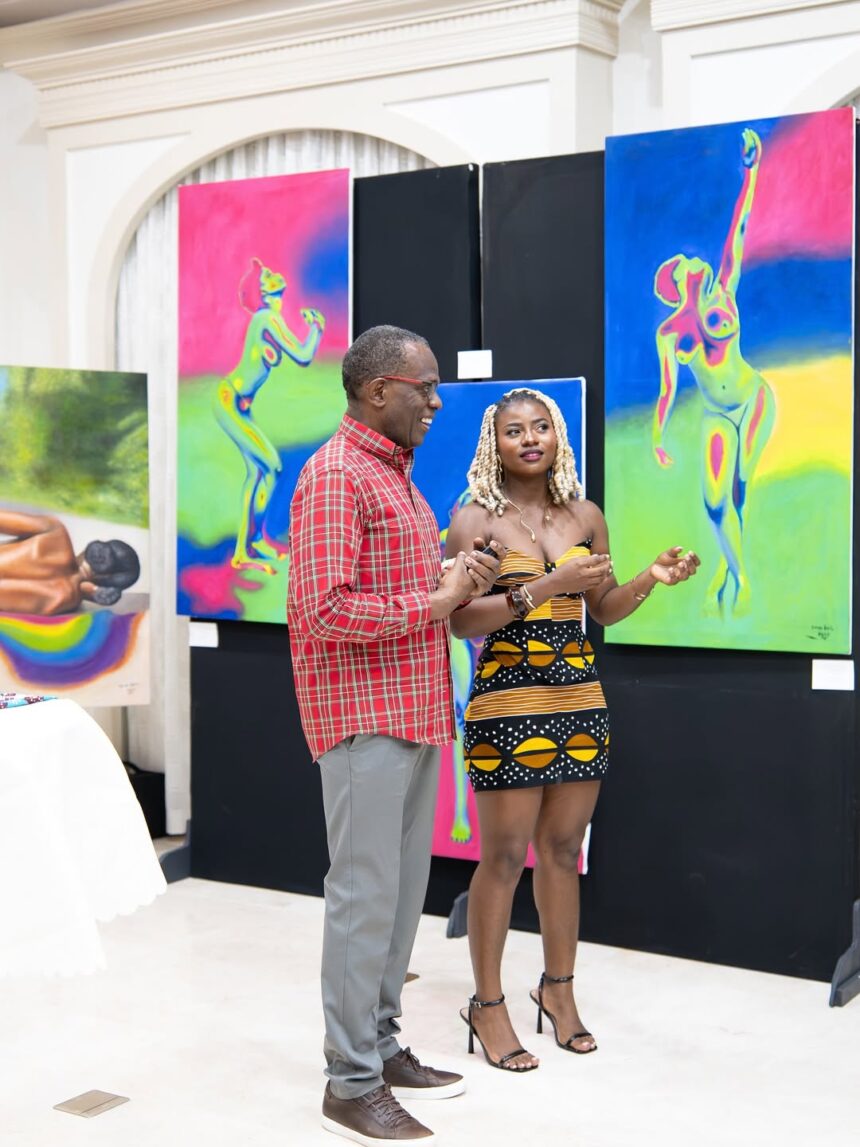
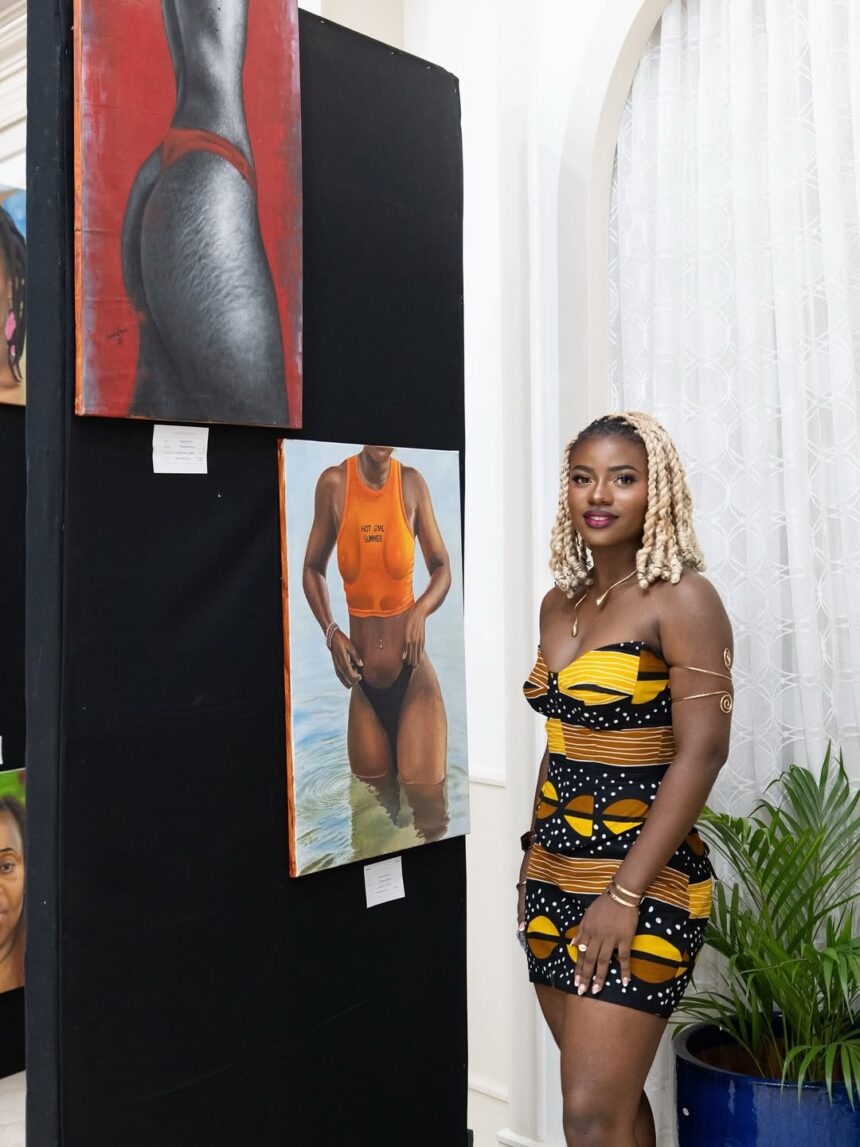

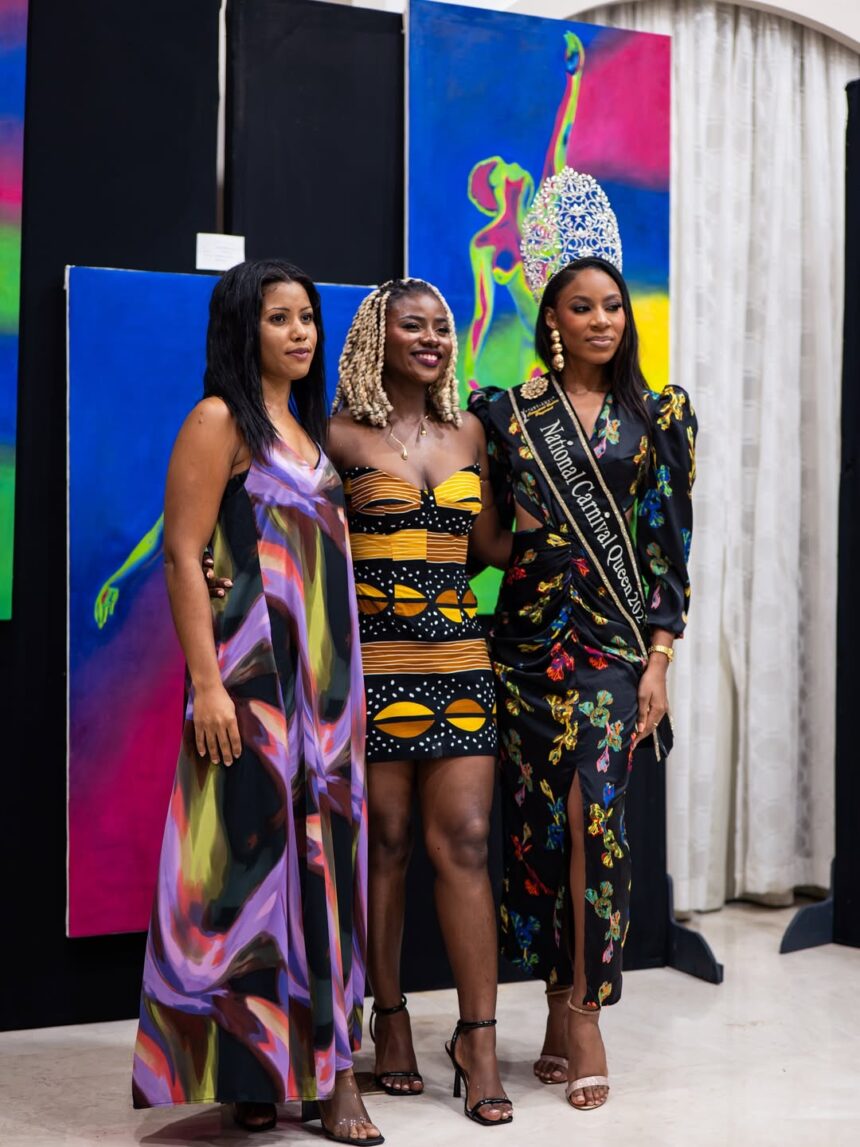
The cultural bridge between West Africa and the Caribbean has been reinforced with strokes of vibrant color and profound emotion, courtesy of Nigerian artist Somto Doris.
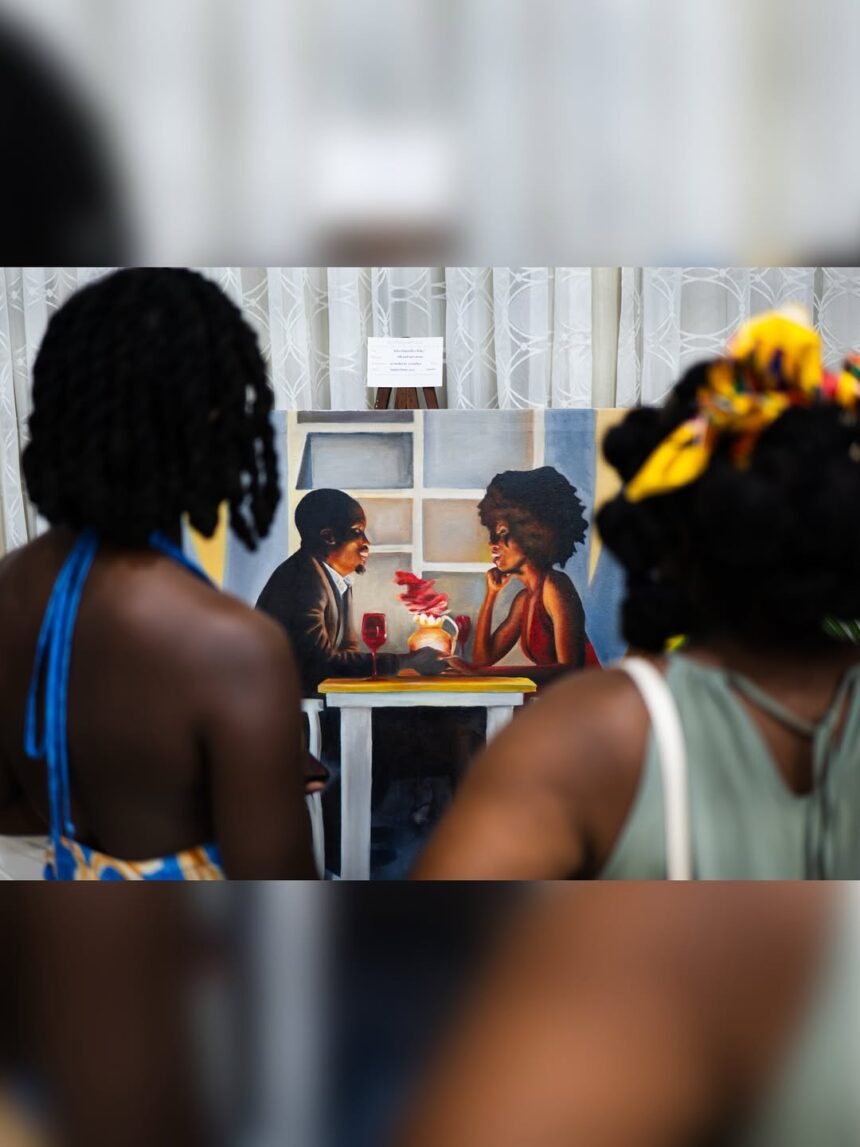
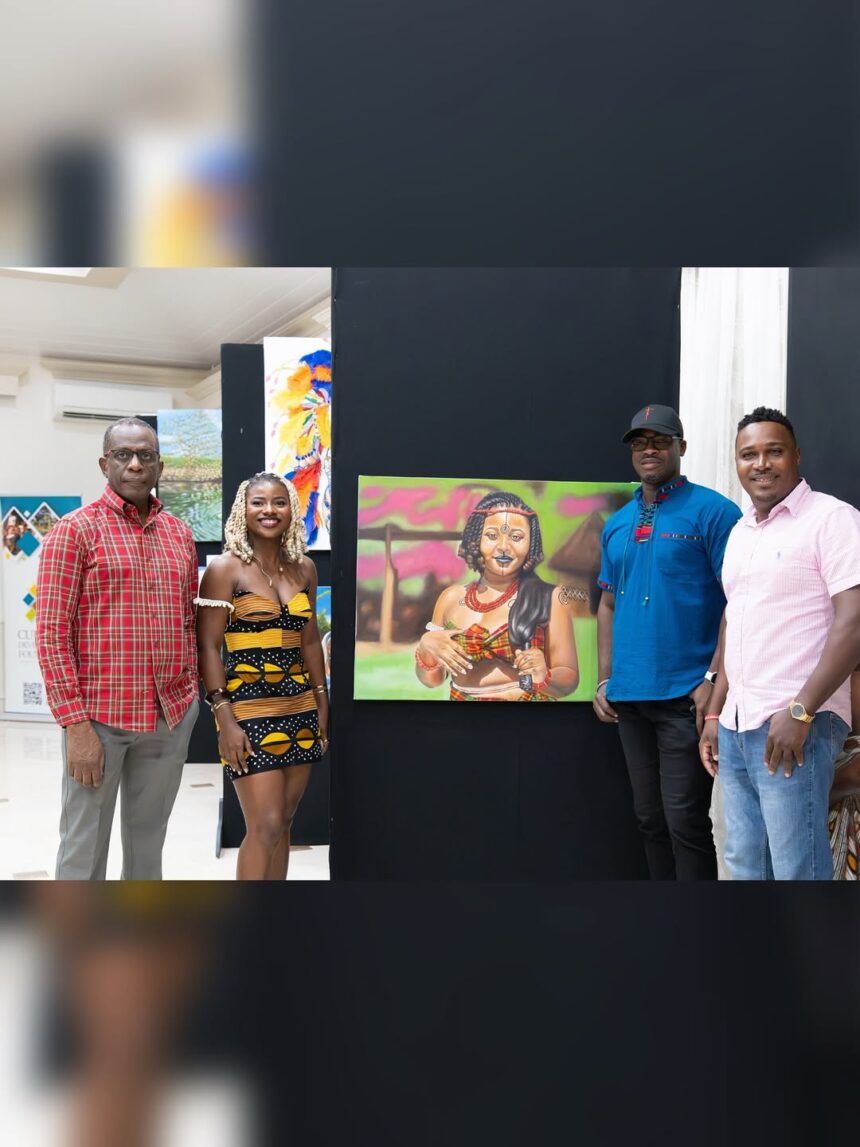
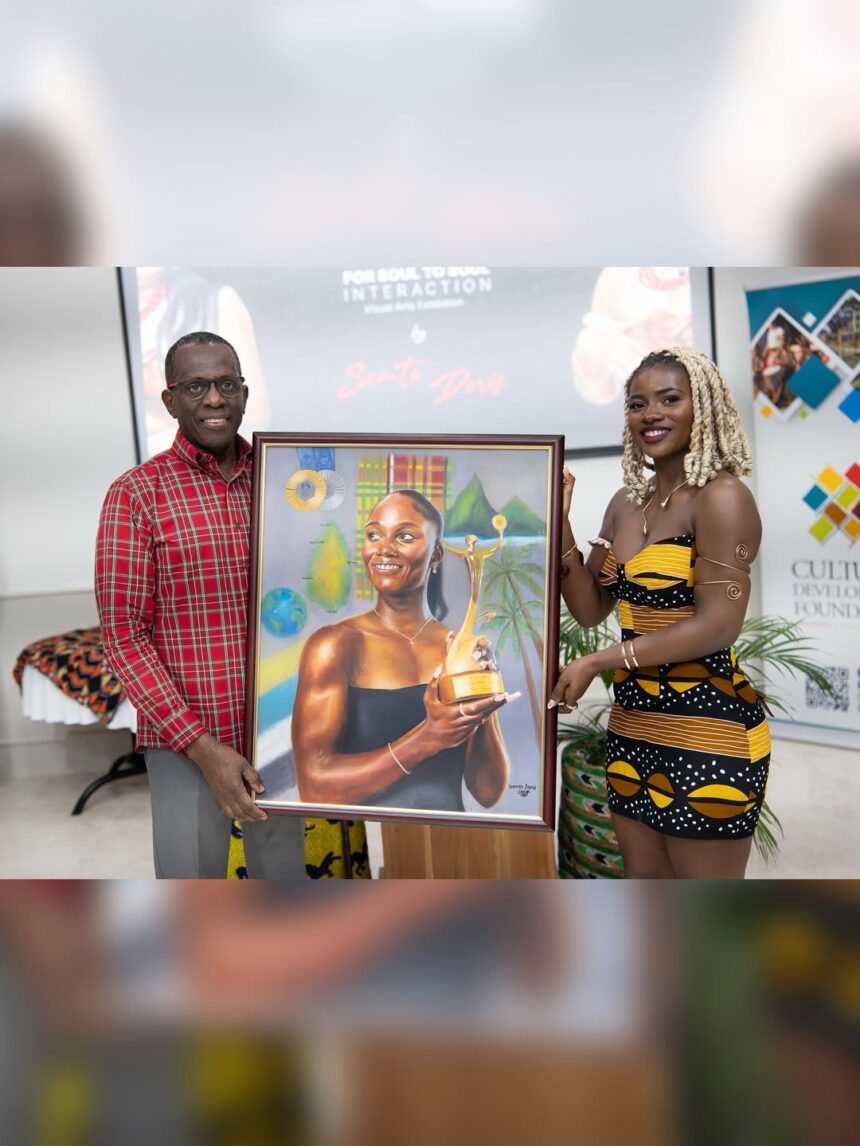
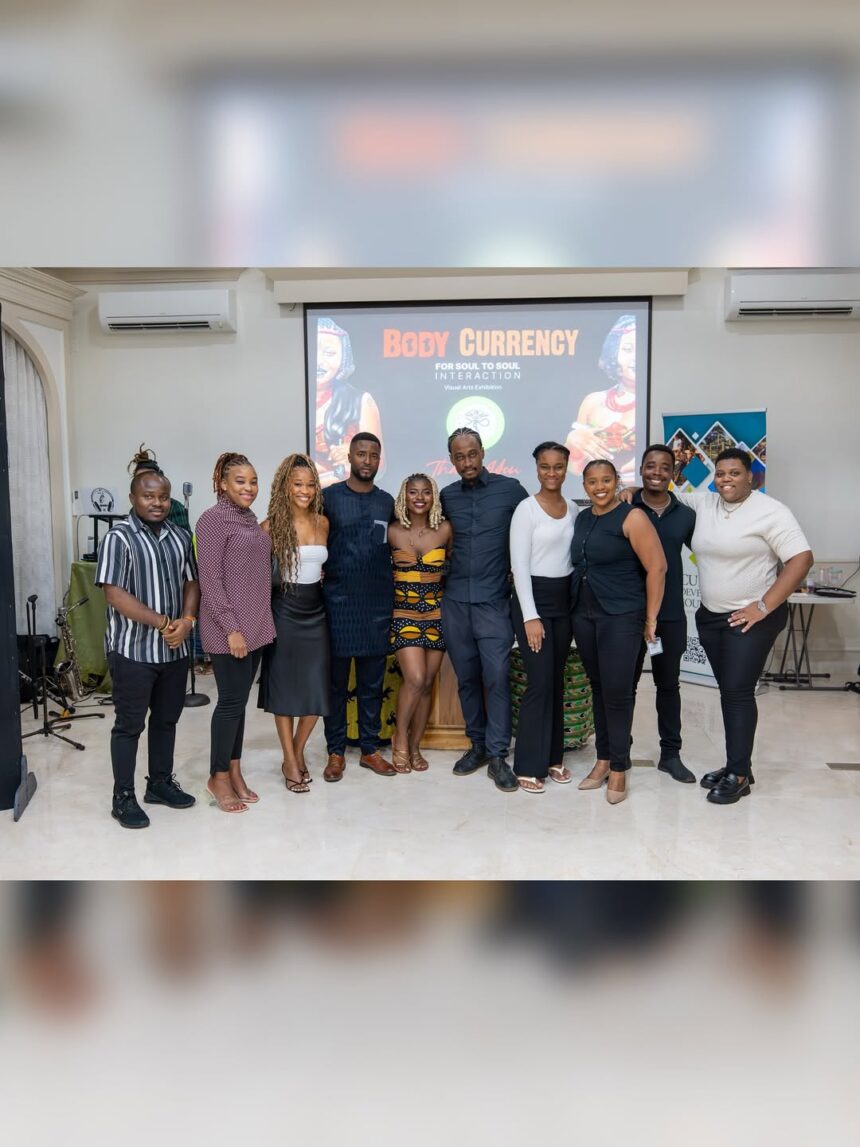
Doris, a resident of St. Lucia, recently concluded her debut solo exhibition, ‘Body Currency: For Soul to Soul Interaction,’ at the historic La Place Carenage. The showcase, which ran from October 29 to November 12, was a spiritual homecoming, a testament to the resilience of the Nigerian creative spirit thriving in the diaspora.
In a heartfelt reflection shared post-exhibition, Doris opened up about the emotional magnitude of the moment.


“My heart is truly full,” she wrote. “This exhibition was a dream that lived in my mind, my spirit, and in my hands for so long, and to finally see it come to life still feels unreal.”
‘Body Currency’: A Visual Language of Connection
Endorsed by the Cultural Development Foundation (CDF), the exhibition explored the intricate dynamics of human connection. Doris’s work is characterized by vibrant portraiture and rich cultural symbolism, using color and texture to tell stories that transcend borders. Her collection invited viewers to look beyond the physical and engage in a “soul-to-soul” interaction, challenging the transactional nature of modern relationships.
Her journey to this point has been one of deliberate evolution. As she revealed to the St. Lucia Times, her passion for painting began in childhood, but it was in December 2016 that she made the pivotal decision to pursue art professionally. This exhibition is the flowering of that seed planted nearly a decade ago.
The Diaspora Dream Realized
Doris’s remarks highlight the sheer grit required to bring such a vision to life abroad. “The entire journey… from creating these pieces, preparing them, planning, organizing, and pushing through every moment leading up to this launch… it was intense, emotional, beautiful, and so worth it,” she confessed.
Her success serves as a beacon for Nigerians living globally. It proves that our stories, our aesthetic, and our “energy, love, and beauty” are not just welcome on foreign shores—they are celebrated. By creating a space where people could “connect with my work, interact with the pieces, feel something from them,” Doris has achieved the highest goal of any artist: she has made people feel seen.
As she soaks in the joy of this chapter, Doris stands as a shining example of Nigerian excellence. She is a reminder to every creative in the diaspora to trust their journey, show up for themselves, and never underestimate the power of their own hands to build bridges across the world.