

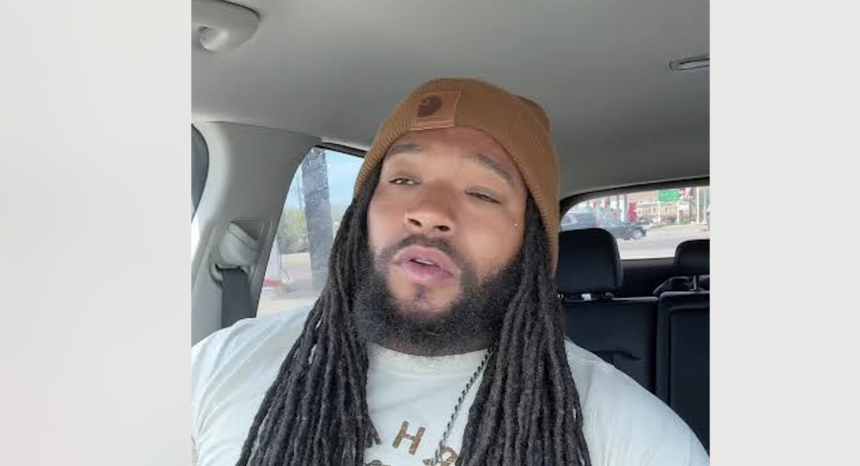
A fiery debate has erupted on TikTok after a Detroit-based content creator warned Africans in the United States to stop celebrating Juneteenth, insisting the holiday belongs exclusively to Black Americans descended from slaves.
Kavi Allah, a vocal Detroit digital ambassador, went viral with a passionate rant calling for the removal of African cultural elements from Juneteenth celebrations.
“Juneteenth is not an African holiday; it’s a Black American holiday,” Allah declared. “Our history in Africa stopped once our ancestors left those shores. Our history began at the point that our ancestors arrived in the Americas during the transatlantic slave trade.”


He rejected the presence of bongos, jollof rice, and African-inspired food trucks at Juneteenth events, stating, “I want to hear Back That Ass Up by Juvenile. I want fried catfish and spaghetti, I want fried chicken and collard greens.”
The Backlash and Counterarguments
Allah’s remarks, however, sparked swift backlash from Africans in the diaspora, many of whom argued that Juneteenth is a celebration of Black liberation and that African Americans and continental Africans share a connected history.
“Africans didn’t just appear,” one commenter countered. “The transatlantic slave trade started on the continent. To deny African culture is to deny the roots of the very people you’re claiming to celebrate.”
Others expressed disappointment, pointing to the role of African immigrants in supporting civil rights movements and the shared struggle against systemic oppression.

African-American goes mad on Africans over Juneteenth celebration
@detroitkavi_ This the last one #fypシ #fypシ゚viral #fyp #fypage ♬ original sound – detroitkavi_
A Complex Conversation
Supporters of Allah’s perspective, however, stressed that Juneteenth is about honouring the specific experience of Black Americans who endured generations of slavery and Jim Crow in the United States.
“American history is not a melting pot for everyone to insert themselves into,” another user said. “Let Black Americans have their day. You have your own culture. We have ours.”
The debate also spilt into broader discussions about cultural appropriation, diasporic identity, and the relationship between African Americans and African immigrants.
A Divided Observance
While Juneteenth was declared a federal holiday in 2021, the question of who gets to participate — and how — remains unresolved. According to a 2024 Pew Research survey, most Black Americans (68%) say Juneteenth is about celebrating Black American history specifically, while a smaller share (31%) say it’s about celebrating Black culture more broadly.
Historians point out that Juneteenth marks a pivotal moment in American history—June 19, 1865—when the last enslaved Black Americans in Galveston, Texas, learned of their freedom, more than two years after the Emancipation Proclamation. For many, the day has become a celebration of Black resilience generally, inviting solidarity from the wider African diaspora.
As the country continues to grapple with identity and belonging, the conversation about who owns Juneteenth is far from over.