


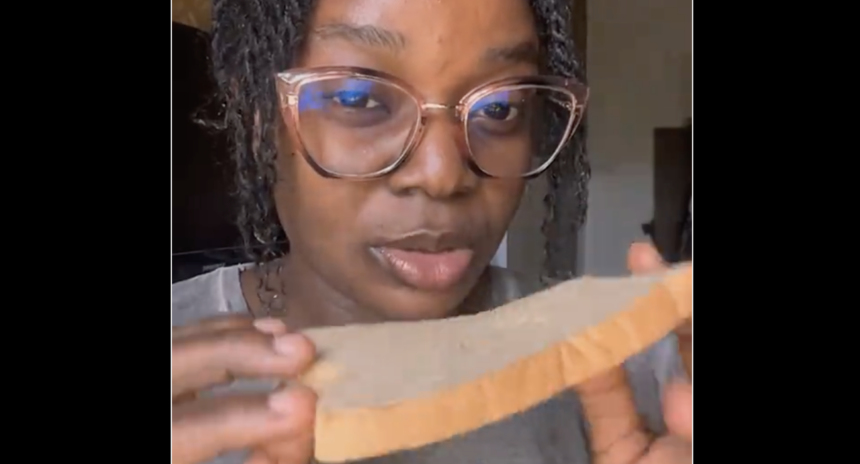
A fitness coach and weight loss expert, Chikanyima Oyilinnaya, has added her voice to growing concerns over the quality and safety of bread sold in Nigeria, after conducting her own experiment that revealed a loaf remained unspoiled for 23 days.
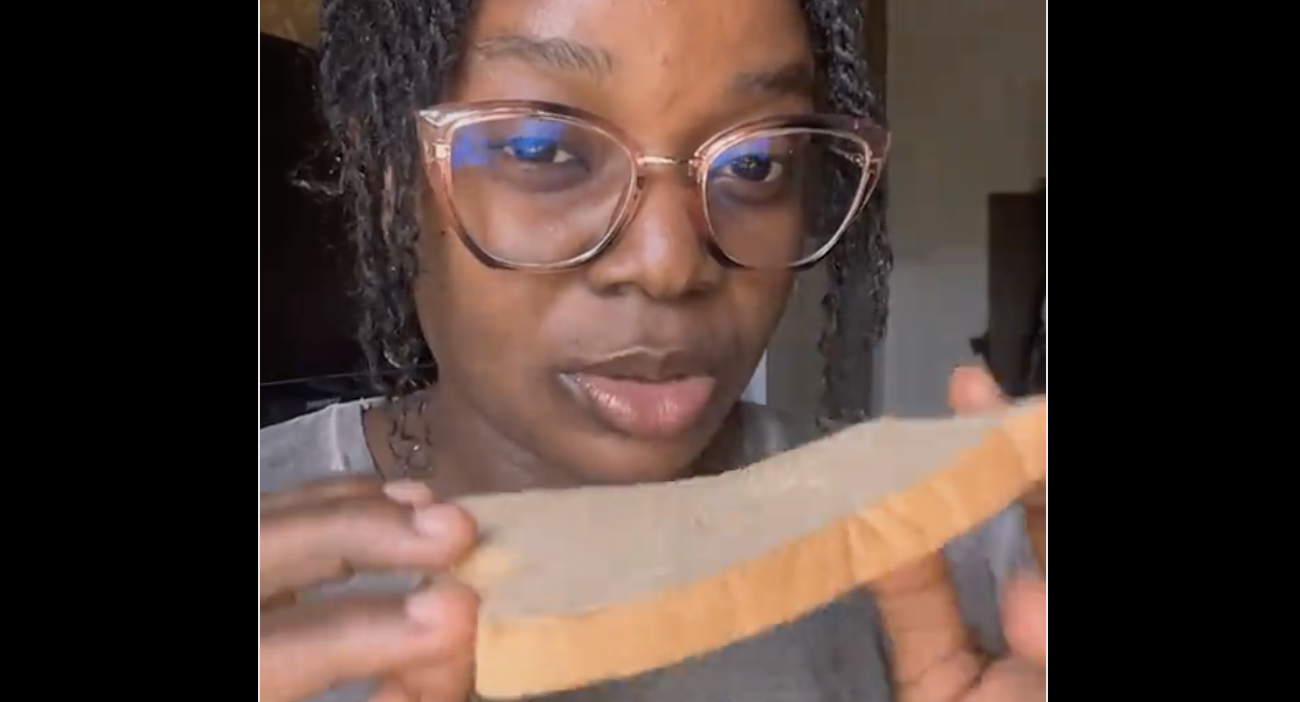
Fitness coach raises alarm over 'unexpired bread' after 23-day test
In a video shared on her platforms, Oyilinnaya showed a loaf of bread she purchased on February 22, 2026, which by March 17, 2026, still showed no signs of mould or spoilage.


“I’ve had this bread for 23 days now,” she said. “It hasn’t gone bad. You can’t see any mould or whatever. It’s still looking like nothing happened. I can still get the smell of butter.”
She noted that while the bread was no longer as soft as when freshly purchased, it had not deteriorated in any visible way. “What manner of preservative did they put in bread?” she asked.
Her experiment follows a viral video by Love Dooshimaa, a 53-year-old shop owner who showed bread that remained fresh on her shelf for two months. Dooshimaa is currently facing a ₦50 million lawsuit from Bon Bread, which identified itself as the target of her remarks despite not being named.
Oyilinnaya, who has thousands of followers and runs a weight-loss coaching brand, @fat2fit_by_shyshredder, called for regulatory action.
The National Agency for Food and Drug Administration and Control (NAFDAC) has yet to comment on either case. However, consumer rights advocates are urging the agency to investigate the preservatives and additives used in commercial bread production across Nigeria.
The growing chorus of citizen-led tests has intensified public concern over food safety standards, with many Nigerians demanding transparency and stricter oversight to protect public health.