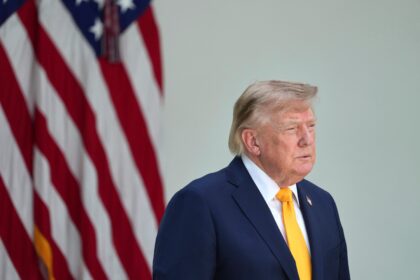







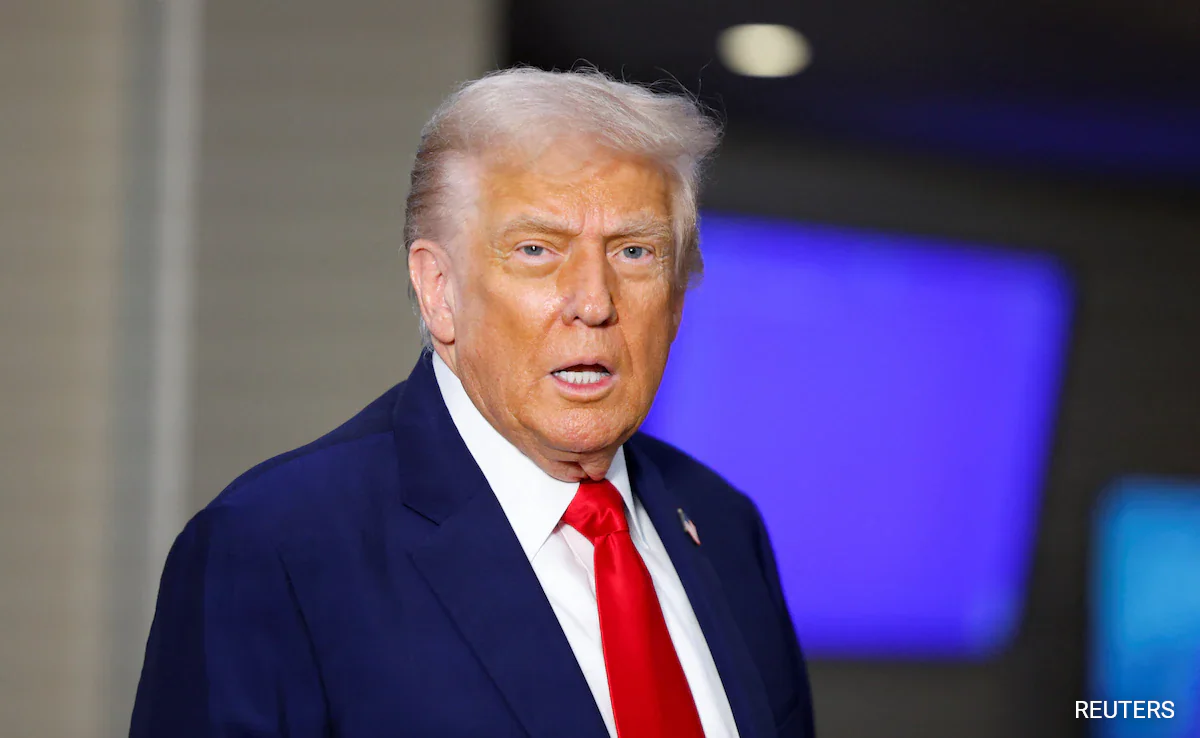
Donald Trump has discovered nuance. It took a midterm bloodbath to get him there.
In his first sit-down since Republicans lost both chambers of Congress on November 3, the President told 60 Minutes correspondent Ross Douthat that his mass deportation policy “might be too tough.” Asked directly whether the agenda went too far, he replied: “I think it was too tough. I think it might be too tough, yeah.”
That’s the sound of a man reading an exit poll and deciding it was actually a policy review.

Trump conceded the enforcement net swept up law-abiding labourers—hotel staff, landscaping crews, people who presumably paid taxes and did not, in fact, require deportation. It’s a remarkable admission from a President who built his entire brand on being the toughest guy in any room, including rooms he wasn’t in.
Then came the pivot. Trump said he’s open to a compromise with the incoming Democratic majority, floating a plan where undocumented immigrants who have worked and paid taxes for 10 to 15 years could potentially stay. The government would focus on deporting serious criminals instead.
So the hardline agenda has become: deport the criminals, keep the landscapers, and negotiate with the people you spent two years calling socialists.
Democrats won the House and Senate, and immigration enforcement was widely viewed as a contributing factor. Trump’s response is essentially to agree with the voters a week late, then blame the policy rather than the salesman.
Whether the base buys it is another question. This is the same President who once described deportations as a “military operation.” Now he’s talking about tax-paying hotel workers with the tone of a man reviewing a contractor’s invoice.
The interview airs Sunday. The rehabilitation tour starts Monday. The 2028 speculation began before the credits rolled.